

-100%
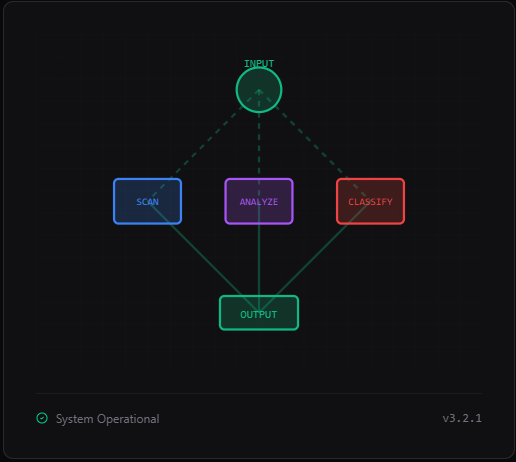
HX-Recon-lite
HX-Recon-Lite is a lightweight, project-based reconnaissance tool designed for penetration testers and security researchers. It automates subdomain enumeration, DNS resolution, and HTTP probing using proven open-source tools, then organizes the results into clean, actionable outputs. Built with a focus on usability and real-world workflows, it helps you quickly identify live assets and prioritize targets without unnecessary complexity.
10,00 $ Original price was: 10,00 $.0,00 $Current price is: 0,00 $.
Technical Snapshot
Core specifications and runtime requirements
Version
1.1
Built With
Python
Deployment
Local CLI
Introduction
HX-Recon-Lite is a practical reconnaissance framework built for real-world penetration testing workflows. Instead of acting like a simple script, it operates as a structured tool that organizes your recon activities into projects, allowing you to run, store, and revisit scans efficiently.
It combines multiple industry-standard tools for subdomain discovery, DNS resolution, and HTTP probing, then transforms raw data into structured outputs that are immediately useful for further analysis and exploitation.
What It Does
HX-Recon-Lite automates the early stages of reconnaissance:
- Subdomain enumeration from multiple sources
- DNS resolution to filter valid assets
- HTTP probing to identify live targets
- Response analysis (status codes, titles)
- Categorization of targets (200 / 403 / 500 / redirects)
Instead of giving you raw noise, it produces clean, filtered data that you can actually use.
Key Features
🔹 Project-Based Workflow
Organize your targets into separate projects. Each project stores its own results, making recon repeatable and structured.
🔹 Multi-Source Enumeration
Uses multiple tools to maximize subdomain discovery and reduce blind spots.
🔹 Intelligent Filtering
Filters out dead domains using DNS resolution before HTTP probing to improve accuracy.
🔹 HTTP Intelligence
Collects status codes and response titles, helping you quickly identify interesting targets like admin panels, restricted endpoints, and misconfigured services.
🔹 Categorized Output
Automatically separates results into meaningful groups:
- 200 (valid pages)
- 403 (restricted access)
- 500 (potential vulnerabilities)
- redirects and others
🔹 Clean Output Files
All results are stored in structured formats:
- JSON for automation
- TXT for quick usage
Why HX-Recon-Lite
Most recon scripts either:
- produce too much noise
- or are too minimal to be useful
HX-Recon-Lite sits in between:
Minimal in design, but powerful in execution.
It’s built for people who want:
- speed
- clarity
- and control over their recon data
Use Cases
- Bug bounty reconnaissance
- Penetration testing asset discovery
- Red team initial access mapping
- Continuous recon tracking (manual workflows)
Output Example
- subdomains.txt
- alive.txt
- alive_200.txt
- alive_403.txt
- alive_500.txt
- result.json
Deployment Options
Multiple deployment methods for various infrastructure setups
Python Package
sudo apt install nmap
sudo apt install tor
sudo apt install torsocks
pip install stem

///
insert to /etc/tor/torrc :
ControlPort 9051
CookieAuthentication 0
HashedControlPassword <HASHED_PASSWORD>
///
1
Technical FAQ
Frequently asked questions from security engineers
What is HX-Recon-Lite?
HX-Recon-Lite is a lightweight, project-based reconnaissance tool designed to automate subdomain discovery, DNS resolution, and HTTP probing. It helps security researchers and penetration testers quickly identify live assets and organize their findings in a structured way.
Who is this tool for?
This tool is built for:
- penetration testers
- bug bounty hunters
- red teamers
- security researchers
If you perform reconnaissance regularly, HX-Recon-Lite is designed for your workflow.
How is HX-Recon-Lite different from other recon tools?
Most tools either:
- focus on a single task (like subdomain enumeration)
- or produce unstructured, noisy output
HX-Recon-Lite combines multiple steps into a clean pipeline and organizes results into projects with categorized outputs, making it easier to use in real engagements.
Why am I seeing many subdomains but few alive results?
This is normal. Many discovered subdomains:
- no longer resolve
- are misconfigured
- or do not run HTTP services
HX-Recon-Lite filters these using DNS resolution and HTTP probing to give you only usable targets.
What output formats does it provide?
HX-Recon-Lite generates:
- JSON (structured data)
- TXT files (quick usage)
- categorized lists (200, 403, 500, etc.)
This allows both automation and manual analysis.